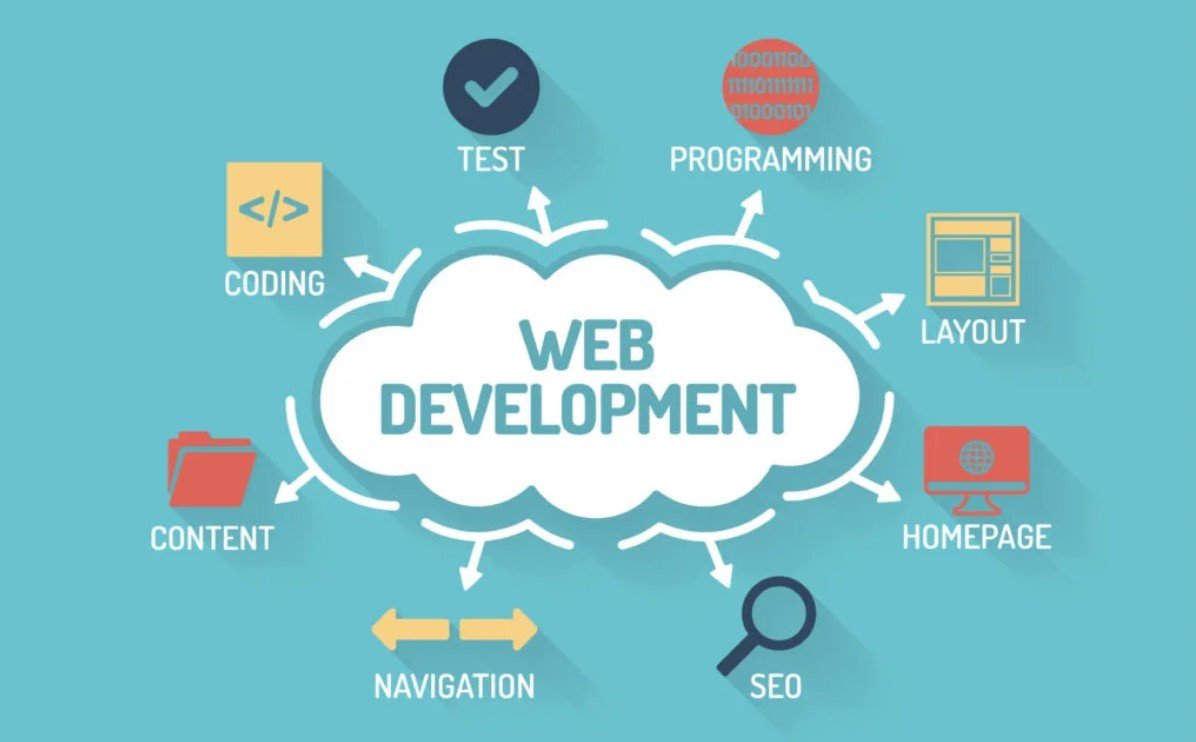
Web development for beginners is the process of learning how to create websites and web applications from the ground up. You do not need to be an expert in programming to get started. With the right learning path and regular practice, beginners can gradually build useful and professional-looking websites.
The best place to start is with HTML, which provides the basic structure of a webpage. You can learn how to create headings, paragraphs, images, links, buttons, lists, and forms. After learning HTML, move on to CSS. CSS is used to make websites look attractive by adding colors, fonts, spacing, layouts, animations, and responsive designs.
Web Development for Beginners
Once you understand HTML and CSS, learning JavaScript is the next step. JavaScript allows you to make websites interactive. For example, you can use it to create menus, image sliders, calculators, pop-ups, form validation, and other interactive features.
Beginners should focus on practice projects instead of only watching tutorials. Start with simple projects such as a personal profile page, landing page, restaurant website, portfolio, or product page. These projects help you understand how different web development concepts work together.
You should also learn basic responsive web design so your websites work properly on computers, tablets, and smartphones. Later, you can explore tools such as Git, GitHub, Bootstrap, React, or other modern web development technologies.
A simple learning path is:
HTML → CSS → Responsive Design → JavaScript → Git/GitHub → Projects → Advanced Frameworks
The most important thing for beginners is consistency. Spend some time coding every day, experiment with different designs, and build projects from scratch. Over time, these skills can help you create websites and prepare for freelance or professional web development opportunities.